What a Sauna Really Costs, From Unit to Install
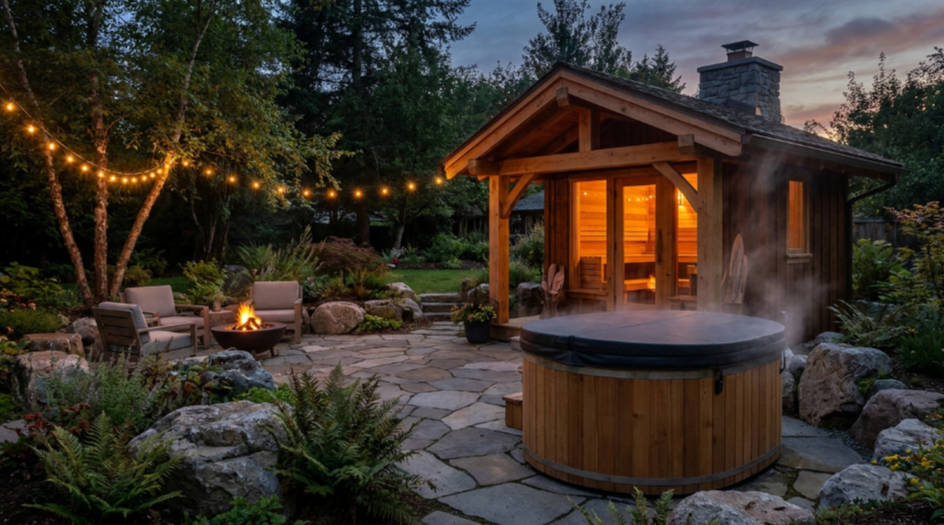
Total sauna cost, once every step is priced out, typically runs $2,500 to $4,500 for a small indoor infrared cabin and $6,000 to $11,000 for a mid-size outdoor barrel or cabin sauna with a proper heater and electrical work. The unit itself is usually 50 to 65 percent of that number. The rest goes to electrical upgrades, site prep, delivery, and assembly, all of which are easy to underestimate when comparing sticker prices between models.
Step 1: Price the Unit Itself
Start with the base price of the cabin or barrel, not including a heater if it is sold separately. Small indoor infrared units start around $2,000. Traditional outdoor barrel saunas from established makers run $3,500 to $7,000 for the structure alone, with price climbing based on cedar thickness, insulation, and window area. Bundled packages that include the heater built into the sticker price are easier to budget against than a base price with the heater listed as a required add-on, so check whether the advertised number is genuinely all-in before comparing it against a competitor’s price.
Step 2: Price the Heater Separately if It Is Not Included
Heaters sold separately from the cabin typically run $600 to $1,800 depending on kilowatt rating and whether it includes a built-in control panel. Buying a heater that matches the cabin’s cubic footage matters more than saving on a smaller unit; an undersized heater runs constantly, wears out faster, and still may not hold target temperature on cold days, which turns a short-term savings into an earlier replacement cost.
Step 3: Price the Electrical Work
This is the step most first-time buyers underprice. Heaters above roughly 6 kilowatts need a dedicated 240-volt circuit, and the cost of running one depends entirely on distance from the panel and whether the panel has spare capacity. A short run in a garage close to the panel might cost a few hundred dollars; a run to a detached backyard structure, especially one requiring trenching, can exceed $2,000. Getting a written electrician’s quote before ordering the sauna avoids budgeting around a number that turns out to be wrong by a factor of three, and it gives a firm figure to weigh against the rest of the project before any money changes hands.
Step 3a: Do Not Forget Permit Fees
Many jurisdictions require a permit for a new dedicated circuit, and some require one for an outdoor structure above a certain size even if it has no permanent foundation. Permit fees are usually modest on their own, often $50 to $300, but they add time to a project timeline that buyers rarely account for when they assume the sauna will be running within a week of delivery. Skipping a required permit is not a cost-saving move either, since an uninspected circuit can complicate a home insurance claim later and can require costly rework if a home is sold before the work is properly documented.
Step 4: Price the Site Prep or Foundation
Outdoor units need a level, well-drained base. Options range from a simple gravel and paver pad, often a few hundred dollars in materials, to a poured concrete pad or a built deck frame, which can run $1,000 to $3,000 depending on size and whether it is contracted out. Skipping proper site prep is a common shortcut that costs more later, since moisture wicking up into unsealed floor boards is one of the fastest ways to shorten a sauna’s working life.
Step 5: Price Delivery and Assembly
Many barrel and cabin saunas ship as flat panels for on-site assembly, and while some buyers assemble a straightforward kit themselves in a weekend, more complex builds benefit from professional installation, typically $500 to $1,500 depending on the region and the unit’s complexity. Freight for a fully assembled sauna, when that option exists, can add several hundred dollars on top of standard delivery, since these are heavy, oversized shipments that need a truck with a liftgate or a crew to unload. Getting at least two quotes for professional assembly is worth the extra phone call, since pricing for this kind of specialty labor varies more by region and contractor availability than most other steps in the budget, and a rushed single quote is an easy place to overpay without realizing it.
Step 6: Price Ongoing Costs After Installation
Electricity for regular use runs roughly $15 to $40 a month depending on session frequency, local rates, and heater size. Add heater rocks every one to two years, door seal replacement, and exterior wood sealant on outdoor units every couple of years. None of these are large costs individually, but budgeting for them up front avoids treating routine maintenance as a surprise expense five years into ownership. Shoppers pricing out a full build from scratch can browse SweatDecks saunas alongside other specialty retailers to compare how bundled unit-plus-heater pricing stacks up against buying components separately.
What Does the Research Say About Cost Versus Session Frequency?
Total spend matters less for outcomes than how often the sauna actually gets used. A large Finnish cohort study associated four to seven sessions a week with lower rates of fatal cardiovascular events compared with once-weekly use, and a 2018 systematic review in Evidence-Based Complementary and Alternative Medicine found similar associations tied to regular use rather than any particular cabin size or price point. That is a reason to budget for a sauna someone will actually use several times a week, not necessarily the most expensive model a budget allows.
Frequently Asked Questions
What is the total cost of a sauna including installation? For a mid-size outdoor barrel or cabin sauna, total cost typically lands between $6,000 and $11,000. A small indoor infrared cabin can come in closer to $2,500 to $4,500 all-in.
Is electrical work the biggest hidden cost of a sauna? For most buyers, yes. A dedicated 240-volt circuit can run from a few hundred dollars to well over $2,000, and it rarely appears in the sauna’s advertised price.
Do I need a foundation or pad for an outdoor sauna? Most outdoor units need a level, well-drained base, whether a concrete pad, pavers, or a deck frame. Skipping this lets moisture shorten the cabin’s life.
What ongoing costs come with owning a sauna? Expect roughly $15 to $40 a month in electricity, plus periodic costs for heater rocks, door seals, and exterior sealant.
References
- Association between sauna bathing and fatal cardiovascular and all-cause mortality events, JAMA Internal Medicine, 2015
- Clinical Effects of Regular Dry Sauna Bathing: A Systematic Review, Evidence-Based Complementary and Alternative Medicine, 2018
- Benefits and risks of sauna bathing, The American Journal of Medicine, 2001
By Ryan Castillo