How Cooling and Dehumidification Improve Comfort in Hot and Humid Climates
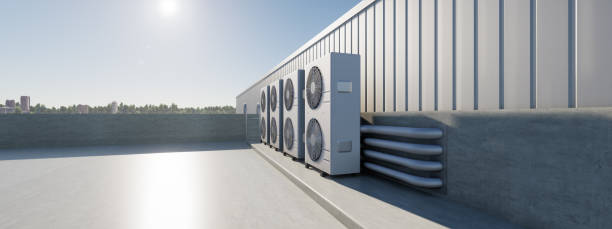
Hot and humid weather can make indoor spaces feel uncomfortable, sticky, and exhausting—even when the temperature is not extremely high. In such conditions, simply cooling the air is not enough. The real comfort comes from the combined effect of cooling and dehumidification, which work together to regulate both temperature and moisture levels indoors.
Understanding how these two processes function helps explain why modern air conditioning systems are designed to manage humidity as much as temperature. In this article, we explore how cooling and dehumidification improve comfort, health, and indoor air quality in hot and humid climates.
Understanding Cooling and Dehumidification
Before diving into their benefits, it’s important to understand what each process does.
Cooling
Cooling refers to lowering the air temperature using systems like air conditioners or chillers. This is achieved through heat exchange, where warm indoor air passes over cold evaporator coils, and heat is removed from the air.
Dehumidification
Dehumidification is the process of removing excess moisture (water vapor) from the air. When humid air comes into contact with cold surfaces, water vapor condenses into liquid and is drained away. This reduces indoor humidity levels.
Together, these two processes create a balanced indoor environment that feels comfortable even in extreme weather conditions.
You can read more about the technical relationship between these processes here:
Cooling and Dehumidification Overview
Why Hot and Humid Climates Feel Uncomfortable
In tropical and subtropical regions, high humidity is often the main reason people feel uncomfortable—even more than heat itself.
When humidity levels are high:
- Sweat does not evaporate efficiently from the skin
- The body struggles to release heat naturally
- The air feels heavier and “sticky”
- Indoor spaces feel warmer than the actual temperature
This is why a room at 30°C with high humidity can feel worse than a dry environment at 33°C.
Cooling alone reduces temperature, but without removing moisture, discomfort still remains.
How Cooling and Dehumidification Work Together
Modern HVAC systems are designed to combine both processes in a single cycle.
1. Air is drawn into the system
Warm, humid indoor air is pulled into the air conditioning unit.
2. Cooling begins at the evaporator coil
The air passes over cold coils, reducing its temperature.
3. Moisture condenses
As air cools, its ability to hold moisture decreases. Excess water vapor turns into liquid droplets.
4. Water is drained
The condensed water is removed from the system through drainage pipes.
5. Dry, cool air is circulated back
The system releases cooler, less humid air back into the room.
This combined action ensures that comfort is not just about temperature but also about moisture balance.
Key Benefits of Cooling and Dehumidification
1. Improved thermal comfort
When humidity is controlled, the body can regulate temperature more effectively through sweating. This makes the indoor environment feel naturally cooler.
2. Reduced “sticky” feeling
Dehumidification removes excess moisture from the air, eliminating the uncomfortable sticky sensation common in tropical climates.
3. Better sleep quality
High humidity often disrupts sleep. Balanced indoor air helps maintain a comfortable sleeping environment, leading to deeper rest.
4. Protection against mold and mildew
Excess moisture encourages the growth of mold, mildew, and bacteria. By reducing humidity, indoor spaces become healthier and safer.
5. Enhanced air quality
Dryer air helps reduce allergens such as dust mites and airborne pollutants, improving respiratory comfort.
The Science Behind Comfort in Humid Climates
Human comfort depends not only on temperature but also on relative humidity (RH).
- Ideal indoor humidity: 40%–60%
- Above 60%: Air feels damp and uncomfortable
- Below 30%: Air becomes too dry and irritating
Cooling systems alone may reach the right temperature but fail to maintain optimal humidity levels. That’s why dehumidification is essential in maintaining thermal balance.
When both processes work together, the “feels like” temperature drops significantly—even if the thermostat reading stays the same.
Types of Cooling and Dehumidification Systems
Different systems use different approaches to manage temperature and moisture:
1. Split Air Conditioners
Common in homes, these systems cool air and naturally remove moisture through condensation.
2. Central HVAC Systems
Used in larger buildings, they provide more controlled and uniform cooling and dehumidification.
3. Dedicated Dehumidifiers
These devices focus mainly on moisture removal and are often used in extremely humid environments or enclosed spaces.
4. Advanced Climate Control Systems
Modern systems integrate sensors and automation to adjust both cooling and humidity in real time for maximum efficiency.
Energy Efficiency Considerations
Cooling and dehumidification also play an important role in energy consumption.
- Proper humidity control reduces the need for excessive cooling
- Balanced air allows thermostats to operate at higher temperatures without discomfort
- Efficient systems prevent overcooling and energy waste
This means that managing humidity is not only about comfort—it also reduces electricity costs.
Common Problems Without Proper Dehumidification
When cooling systems are used without proper moisture control, several issues can occur:
- Persistent dampness in rooms
- Condensation on windows and walls
- Musty odors
- Mold growth in corners and hidden areas
- Reduced effectiveness of air conditioning
These issues highlight why dehumidification is not optional in humid regions—it is essential.
Cooling and Dehumidification in Modern Architecture
Modern buildings are increasingly designed with integrated HVAC systems that prioritize indoor air quality.
Architects and engineers now consider:
- Airflow design
- Insulation levels
- Moisture control systems
- Energy-efficient cooling solutions
This ensures buildings remain comfortable even in extreme climates while maintaining sustainability goals.
Practical Tips for Better Indoor Comfort
To improve cooling and dehumidification efficiency in your space:
- Keep doors and windows closed during peak humidity
- Clean air filters regularly
- Avoid overloading rooms with heat-generating appliances
- Use exhaust fans in kitchens and bathrooms
- Maintain HVAC systems with regular servicing
These simple steps enhance system performance and indoor comfort.
Conclusion
In hot and humid climates, comfort depends on more than just lowering temperature. The combination of cooling and dehumidification is essential for creating a balanced indoor environment that feels fresh, breathable, and healthy.
By removing excess heat and moisture together, modern HVAC systems ensure improved comfort, better air quality, and enhanced energy efficiency. Whether in homes, offices, or industrial spaces, this dual process plays a vital role in maintaining livable and sustainable indoor conditions.
For a deeper technical understanding of how these processes work together, you can refer to this detailed overview: